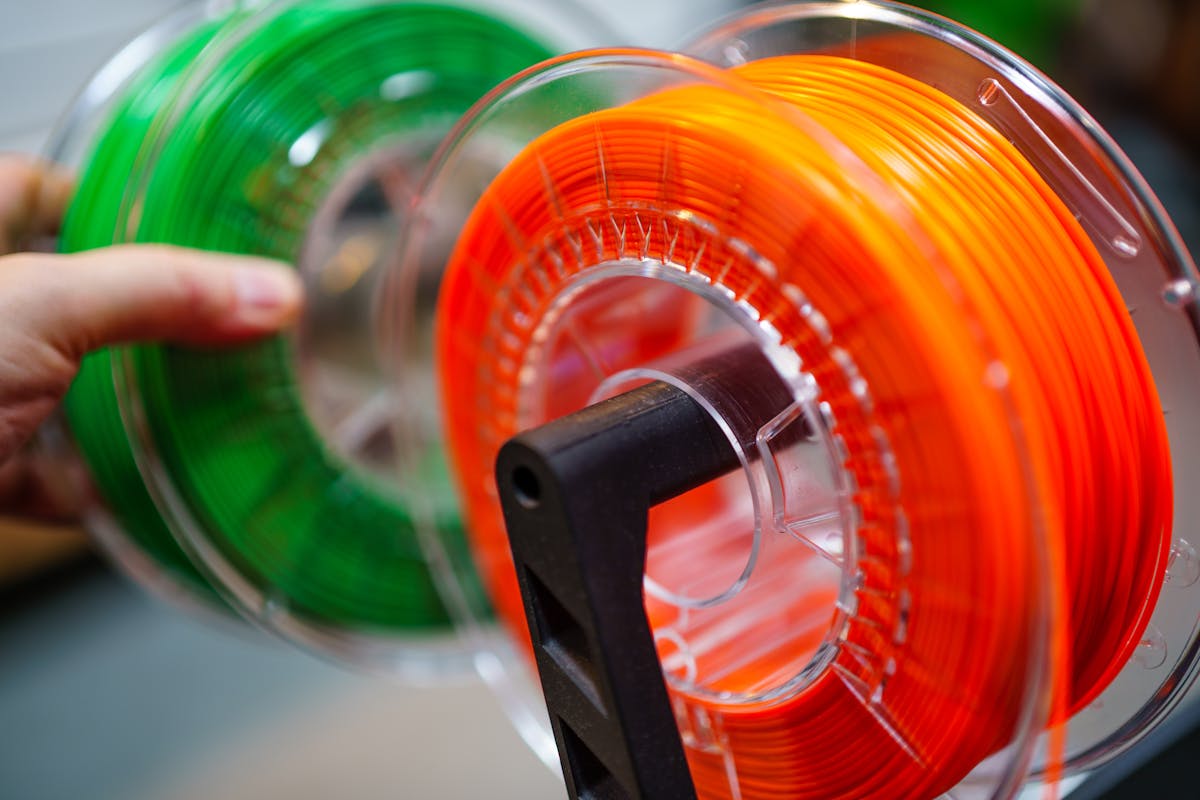
If you’ve ever pulled out a spool of PLA that’s been sitting on your shelf for a few months and noticed your prints turning out stringy, bubbly, or weirdly rough — congratulations, you’ve met India’s biggest enemy of 3D printing: moisture.
India’s climate is brutal on filament. Whether you’re in Chennai, Mumbai, Kolkata, or Bengaluru during monsoon season, the relative humidity can hover between 70–90% for months. PLA, PETG, nylon, TPU — all of them absorb moisture from the air, and once they do, your print quality tanks fast.
The good news? Proper storage is cheap, simple, and can save you thousands of rupees in wasted filament. Here’s everything you need to know about storing 3D printing filament in India’s climate.
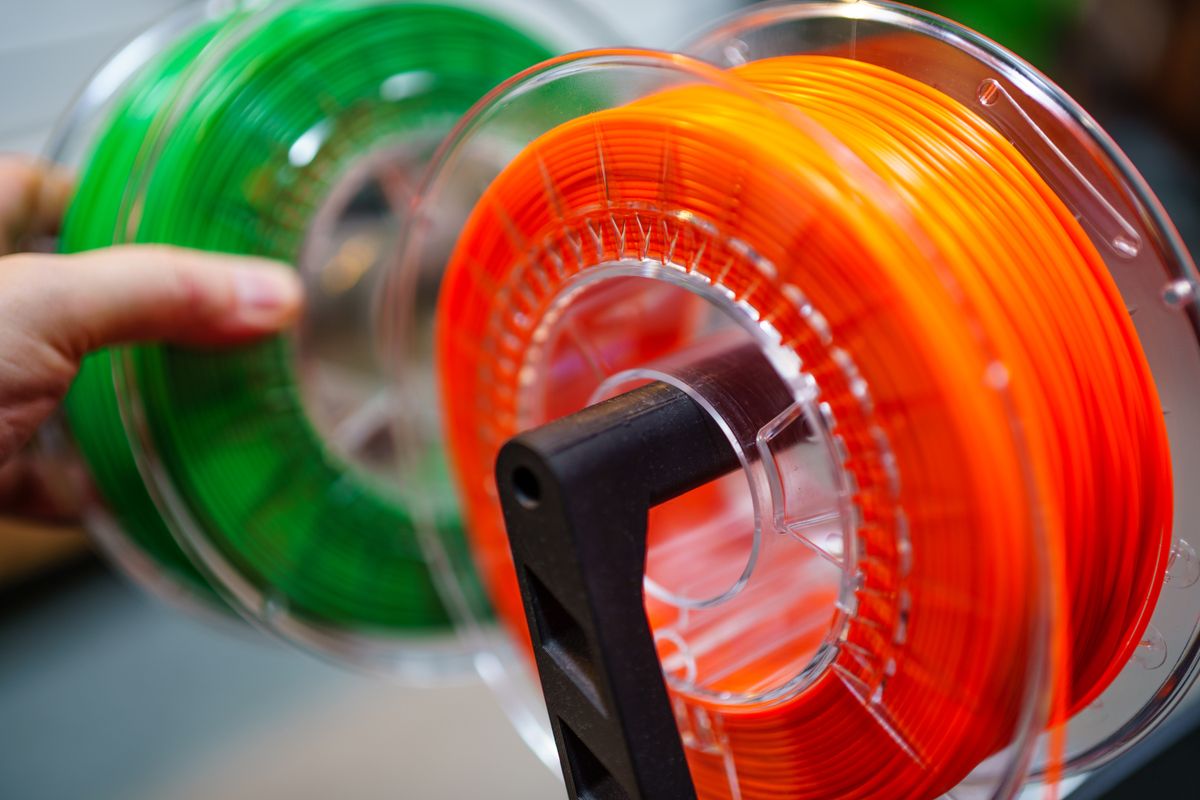
Why Moisture Is Filament’s Worst Enemy
Most 3D printing filaments are hygroscopic — they actively absorb water molecules from the surrounding air. When filament absorbs moisture, those water molecules get trapped inside the material. The moment that wet filament hits your hot end, the water instantly vaporizes and creates tiny steam pockets inside the melt.
The result? Popping and crackling sounds during printing, stringy blobs on your prints, rough or inconsistent surface texture, reduced layer adhesion, and parts that are visibly weaker than they should be. In extreme cases, wet filament becomes so brittle it snaps on the spool before it even reaches the extruder.
Different materials absorb moisture at different rates:
- Nylon — worst offender; can go bad within hours of open-air exposure
- TPU / Flexible filaments — highly hygroscopic, degrade fast in humidity
- PETG — moderately hygroscopic; shows stringing and surface defects within days
- ABS — less sensitive but affected over weeks of exposure
- PLA — most forgiving, but in Indian humidity it degrades noticeably within 1–3 months of open storage
How to Tell If Your Filament Is Already Wet
Before we get to storage, it helps to recognize when filament has already absorbed moisture:
- Popping or hissing sounds from the hot end during printing — that’s steam escaping
- Bubbles or foam visible in the extruded line
- Rough, matte surface on prints that should look smooth
- Excessive stringing between parts, worse than your usual settings produce
- Spool feels brittle — filament snaps easily when bent
- Color looks faded or cloudy on translucent or gloss filaments
If you notice any of these, your filament needs drying before you print — not just better storage going forward.
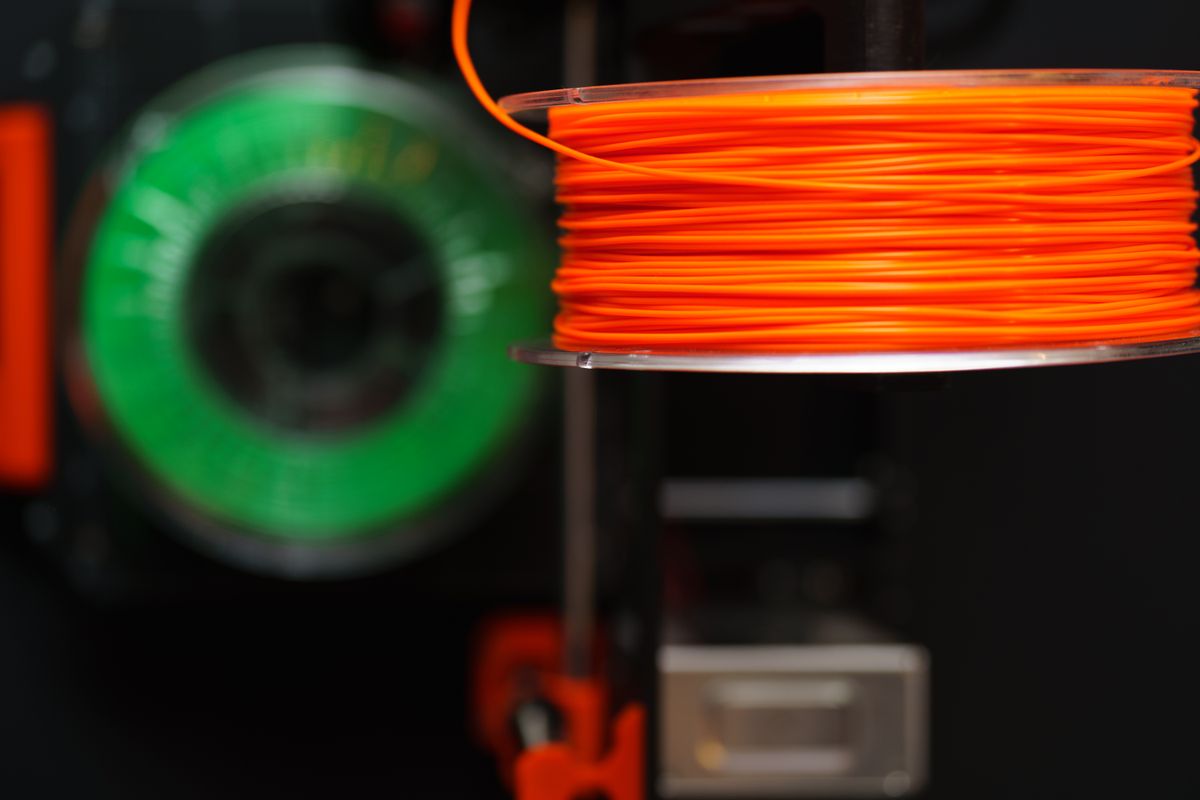
The Right Way to Store Filament in India
1. Airtight Containers Are Non-Negotiable
Open-shelf storage of filament is fine in Scandinavia. In India, it’s asking for trouble. You need an airtight seal to cut off moisture from reaching your spools.
The most practical and affordable options:
- Cambro food storage bins — the 15–22 litre size fits 2–4 spools; widely available on Amazon.in for ₹800–1200 each
- Large ziplock vacuum bags — great for individual spool storage, re-sealable and cheap
- IKEA SAMLA boxes with lids — accessible and large, though not fully airtight without adding a foam gasket to the lid
- Pelican-style hard cases — ideal if you’re transporting filament or need dustproof storage
Whatever container you choose, it must have a tight-fitting lid with a rubber or silicone seal. Loose-fitting lids won’t protect your filament during monsoon season.
2. Silica Gel Desiccants — Cheap and Essential
Inside your sealed container, you need a desiccant to absorb any residual moisture. Silica gel sachets are the standard choice — easily available at stationery shops, on Amazon.in, or even repurposed from shoe boxes and electronics packaging.
Tips for using silica gel effectively:
- Use at least 50–100g of silica gel per large container holding 3–4 spools
- Get color-indicating silica gel (blue turns pink, orange turns clear) so you can see when it’s saturated
- Recharge saturated silica gel by baking in your oven at 120°C for 1–2 hours — it reverts to its original color and can be reused indefinitely
- Distribute sachets between spools rather than placing them all in one corner
3. Monitor Humidity Inside Your Containers
Add a small digital hygrometer inside each storage container. These cost ₹150–300 on Amazon.in and display both temperature and relative humidity. You want the humidity inside your container below 30% RH — ideally 15–25% for sensitive materials like nylon and TPU.
If your hygrometer reads above 35%, refresh your silica gel before adding fresh spools.
How to Dry Wet Filament
If your filament is already wet, dry it first — sealing moisture inside just makes things worse. Here are your drying options:
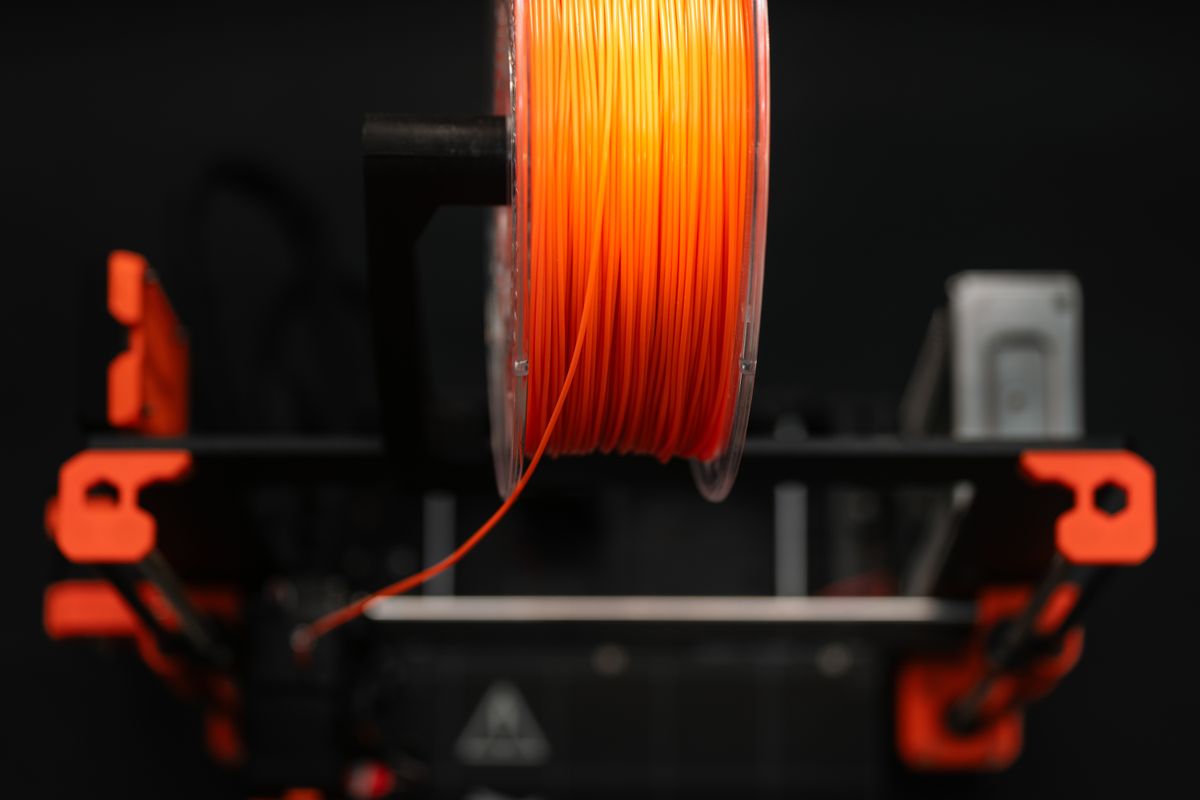
Food Dehydrator (Best Option)
A food dehydrator maintains a consistent low temperature over many hours — exactly what filament needs. Models like the Agaro Regal Food Dehydrator on Amazon.in run ₹2500–4000 and fit one or two spools at a time.
Drying temperatures and times by material:
- PLA: 45–50°C for 4–6 hours
- PETG: 55–65°C for 6–8 hours
- ABS: 60–80°C for 4–6 hours
- Nylon: 70–80°C for 8–12 hours
- TPU: 40–45°C for 4–6 hours
Oven Method (Works, But With Caution)
A kitchen oven works, but most home ovens struggle to hold temperatures below 80°C accurately. PLA can soften and warp if the temperature spikes above 60°C. If you go this route:
- Use an external thermometer to verify actual temperature — oven dials are often inaccurate
- Prop the door open slightly to vent moisture out
- Keep PLA sessions short (2–3 hours at ~45°C) and never leave unattended
Dedicated Filament Dryers
Purpose-built filament dryers like the Sunlu S2 or eSUN eBOX Lite are available in India via Amazon.in and 3D printing suppliers. They’re sized for standard spools, hold precise temperatures, and some let you print directly from the dryer — keeping filament dry through long multi-hour jobs. If you print nylon or TPU regularly, a dedicated dryer (₹3000–6000) pays for itself quickly.
Storage Quick Reference by Filament Type
- PLA — Seal in an airtight box with silica gel. Forgiving in dry months; seal immediately after use during monsoon.
- PETG — More hygroscopic than PLA. Always keep sealed with 50g+ silica gel. Dry before printing if it’s been open more than a few days.
- ABS — Store sealed. Less urgent than PETG, but humidity causes warping and brittleness over weeks.
- TPU / Flexible — Highly hygroscopic. Store in vacuum bags with silica gel. Dry every spool before use if it’s been in storage over a month.
- Nylon — Treat it like a sensitive ingredient. Store in a sealed box with large desiccant packs. Dry before every print session, even if recently purchased.
- Resin (SLA/MSLA) — Keep tightly sealed in original bottles, away from light and heat. India’s summer heat can cause resins to pre-cure. Store in a cool, dark cabinet.
A Budget Storage Setup for Under ₹2000
You don’t need expensive gear. Here’s a setup that works for most Indian makers:
- Cambro 15L airtight food container — ₹800–1000
- 100g color-indicating silica gel sachets — ₹200–300
- Small digital hygrometer — ₹150–250
- Ziplock bags for individual spool sealing — ₹100
Total: around ₹1250–1650. That’s less than one ruined spool of PETG or nylon. Set this up once and your filament stays dry through even the worst monsoon.
Better Storage, Better Prints
Moisture is one of the most common and most overlooked causes of bad 3D prints in India. The fix isn’t expensive or complicated — it’s a sealed container, some silica gel, a small hygrometer, and the habit of checking your storage before a big job.
Once your filament is stored right, you’ll notice the difference immediately: cleaner surfaces, less stringing, better layer adhesion, and parts that actually look like what you designed.
If you want to put those clean prints to work — whether that’s listing your print services or selling finished products — JustPrint.io is India’s marketplace for exactly that. Sign up and start reaching customers across the country.