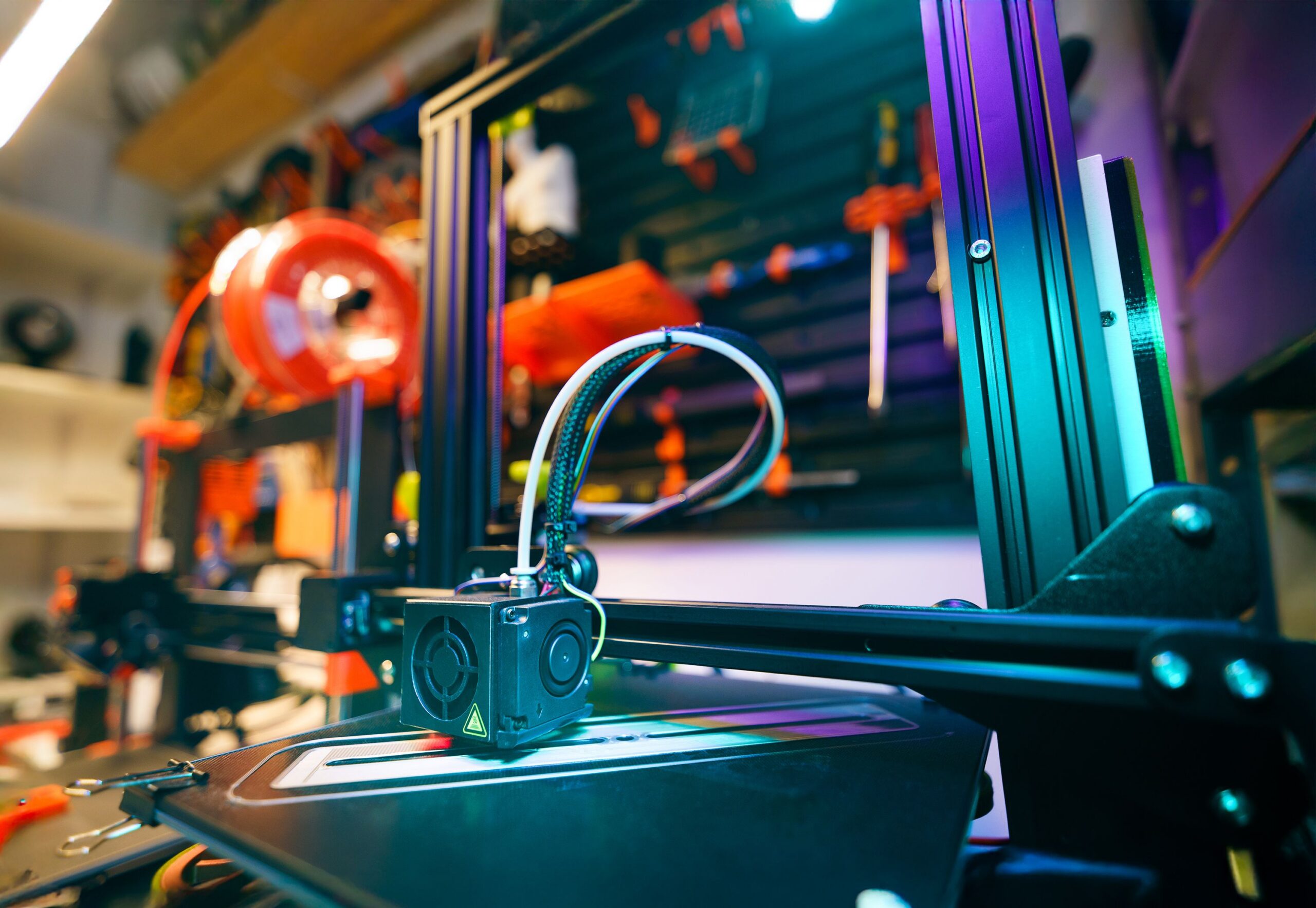
If you’ve ever walked into your print room after a long overnight job and caught that warm, slightly sweet or plasticky smell, you already know: 3D printers aren’t as “silent and harmless” as they look. Whether you’re running a single FDM machine on a bedroom desk or a small farm of resin printers for your JustPrint storefront, the fumes and fine particles they release are a real health consideration — not just for you, but for anyone sharing your home or workshop.
The good news is that 3D printing safety isn’t complicated or expensive to get right. Most of it comes down to three things: where you place your printer, how you ventilate the room, and what protective gear you reach for when resin is involved. This guide walks through all three, with practical fixes that work in a typical Indian home or small workshop — no industrial fume extractor required.
Why 3D Printing Safety Matters More Than You Think
Most Indian makers run their printers in bedrooms, balconies-turned-workshops, or small rented spaces — rooms that are also sealed up tight for most of the year to keep the AC running. That’s exactly the setup where fumes and particles build up fastest, because there’s little to no air exchange with the outside.
FDM printers heat plastic filament to 190–260°C, and at those temperatures materials like ABS and PETG release volatile organic compounds (VOCs) and ultrafine particles (UFPs) — particles small enough to bypass your body’s natural filters and settle deep in the lungs. Resin (SLA/DLP) printers are a different story again: uncured resin is a skin and respiratory irritant, and the isopropyl alcohol (IPA) used to clean prints is highly flammable and its vapours shouldn’t be breathed in for long stretches.
None of this means you need to panic — printers used casually for a few hours a week pose a low risk. But if you’re printing for hours daily to fulfil JustPrint orders, it’s worth treating your print room the way you’d treat a small workshop: with proper airflow and a few basic habits.
The Real Risks: VOCs, Ultrafine Particles, and Resin Fumes
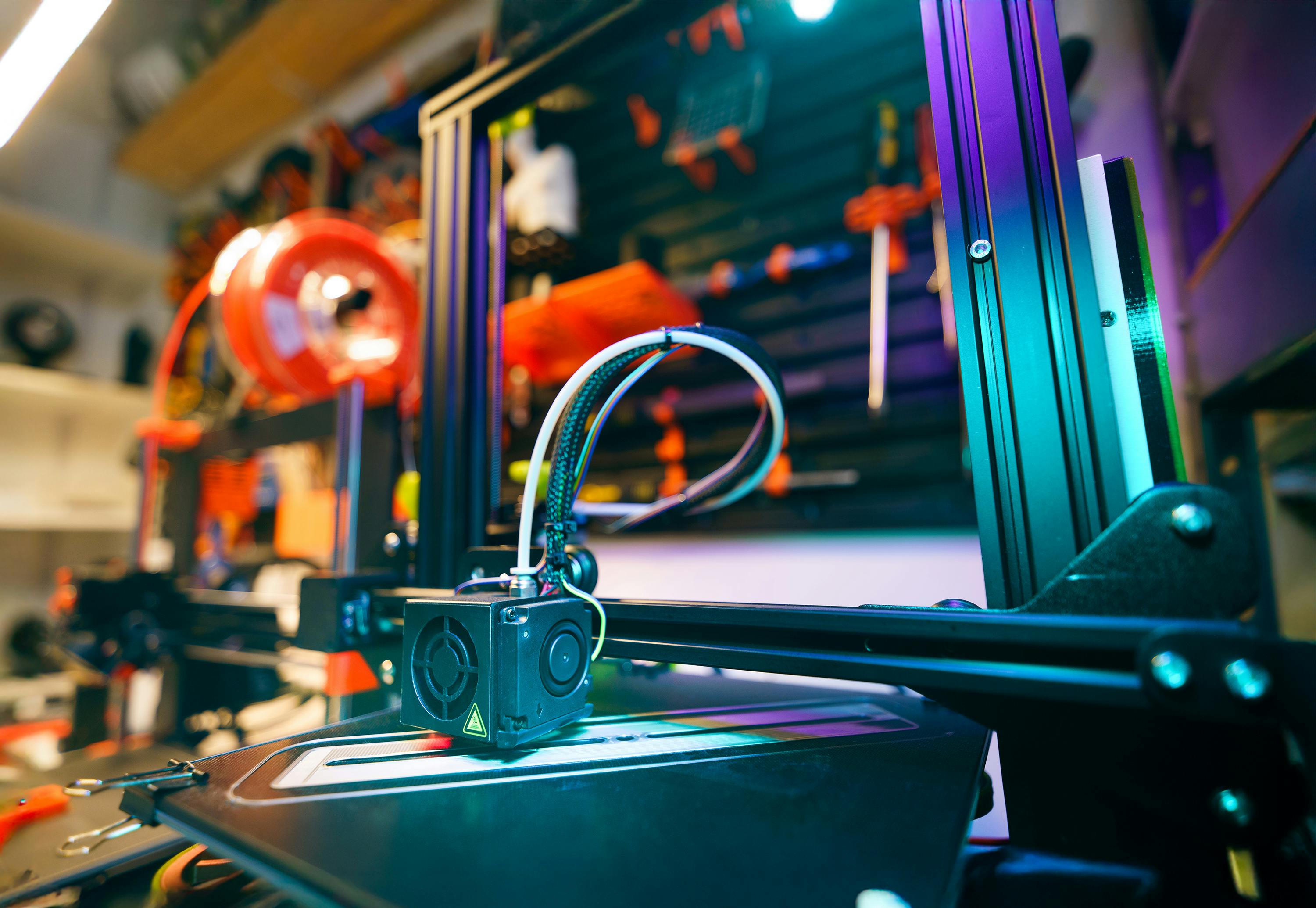
- ABS and nylon release the highest levels of VOCs and ultrafine particles among common filaments — avoid printing them in small, closed rooms.
- PLA is the lowest-emission common filament, but “low” doesn’t mean zero — ventilation still helps, especially for long prints.
- PETG and TPU sit in the middle — generally safer than ABS, but still benefit from airflow.
- Resin (SLA/DLP) printing involves liquid photopolymer resin that’s toxic if inhaled or absorbed through skin, plus IPA vapours during the wash-and-cure stage. This is the category that demands the most caution.
The particles released during FDM printing are so fine that you won’t see or smell most of them — the “3D printer smell” you notice is really just the VOC fraction. That’s worth remembering: a room can feel odour-free and still have particle levels worth addressing.
Ventilation: The Single Biggest Fix
If you do only one thing after reading this guide, make it ventilation — it addresses both VOCs and particles at once, and costs far less than most people assume.
- Print near a window or exterior wall, not in an interior room with no outside air path. Even a partially open window with a small desk fan pointed outward makes a measurable difference.
- Enclose the printer and vent the enclosure, rather than venting the whole room. A simple acrylic or plywood enclosure with a small inline duct fan pushing air outside concentrates fumes at the source and clears them faster than trying to ventilate an entire room.
- Use an exhaust fan on a timer so it keeps running for 20–30 minutes after a print finishes — that’s often when off-gassing peaks, not just during the print itself.
- Add an air purifier with a HEPA + activated carbon filter as backup, especially in bedrooms doubling as print rooms. HEPA catches particles; carbon helps with odour and some VOCs.
- Never print resin in an unventilated room — resin fumes are heavier and linger longer than FDM fumes, and IPA vapours are flammable in enclosed spaces.
PPE and Handling Resin Safely
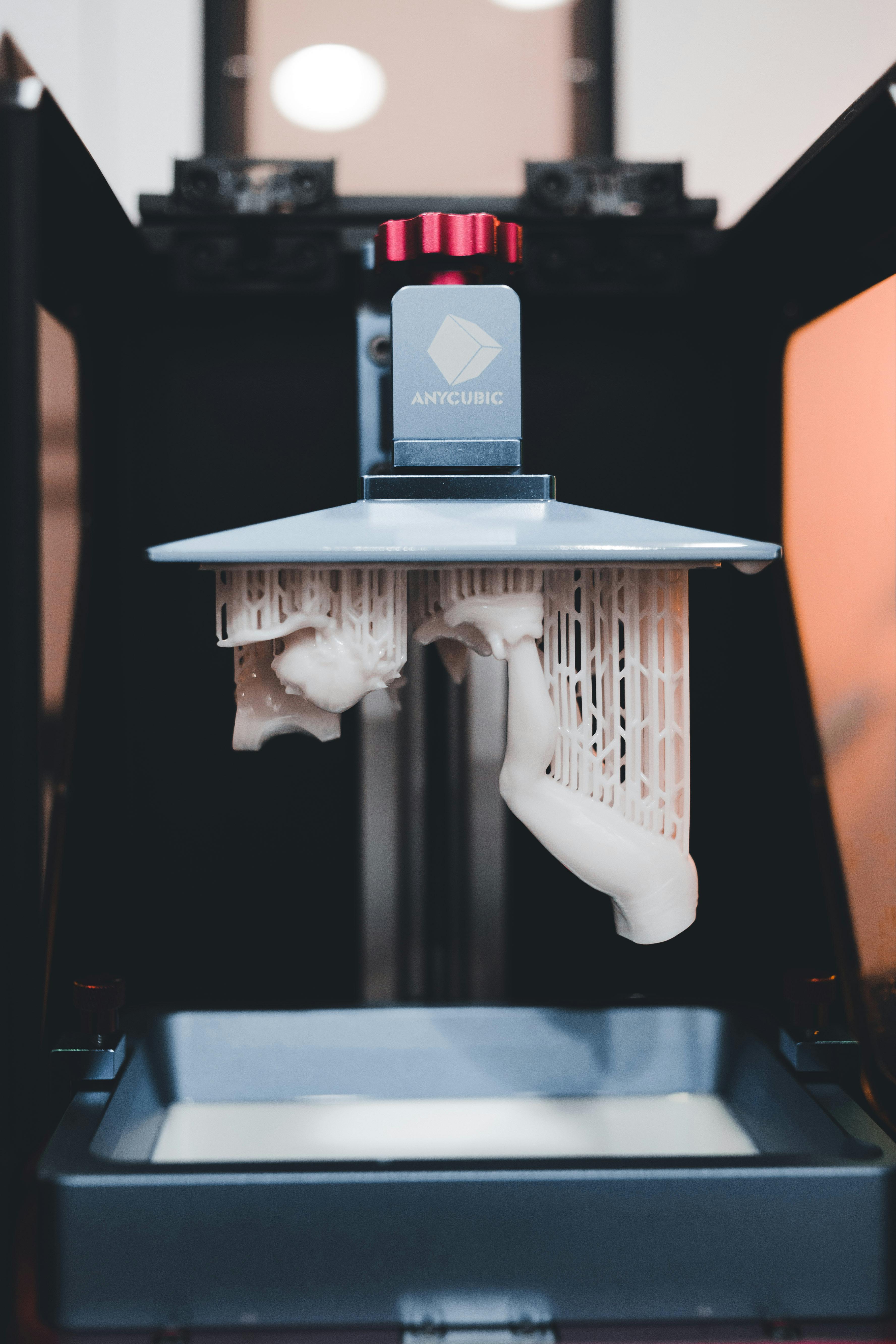
Resin printing needs the most deliberate safety routine of any home 3D printing setup, because you’re handling a liquid irritant directly, not just breathing byproducts of a sealed hot-end.
- Nitrile gloves — always, when handling uncured resin, wiping down the vat, or cleaning prints. Uncured resin can cause skin irritation and sensitisation with repeated exposure.
- Safety glasses — resin splashes during pouring or vat cleaning are common; keep them out of your eyes.
- A proper respirator, not a surgical or cloth mask — for extended resin work, an organic vapour (OV) cartridge respirator is worth the investment. Cloth and surgical masks do nothing against VOC vapours.
- Wash-and-cure stations outdoors or near a vent — IPA fumes from the washing stage add up fast in a closed room.
- Dispose of waste resin and IPA responsibly — cure leftover resin in sunlight before disposal; never pour uncured resin or used IPA down the drain.
A Simple Safety Checklist for Every Print Session
- ☐ Printer placed near a window, exterior wall, or vented enclosure — not a sealed interior room
- ☐ Exhaust fan or open window running during and 20–30 minutes after each print
- ☐ HEPA + carbon air purifier running nearby if printing daily or for JustPrint order volumes
- ☐ ABS/nylon jobs scheduled for well-ventilated hours, not overnight in a closed bedroom
- ☐ Nitrile gloves and safety glasses on hand for every resin session
- ☐ OV-cartridge respirator worn for extended resin handling or wash-and-cure work
- ☐ Waste resin fully cured in sunlight before disposal; used IPA stored in a sealed, labelled container
None of these steps require expensive lab-grade equipment — most Indian makers can put this whole setup together for a few thousand rupees: an inline fan, some ducting, a respirator, and a bit of care about where the printer sits in the room.
Getting your safety setup right isn’t just good practice for you — it’s part of running a professional print operation. If you’re fulfilling orders through JustPrint.io, a properly ventilated, well-equipped workspace means more consistent hours at the printer and fewer disruptions to your output. List your print services on JustPrint.io and turn a safer workshop into a more reliable income stream.