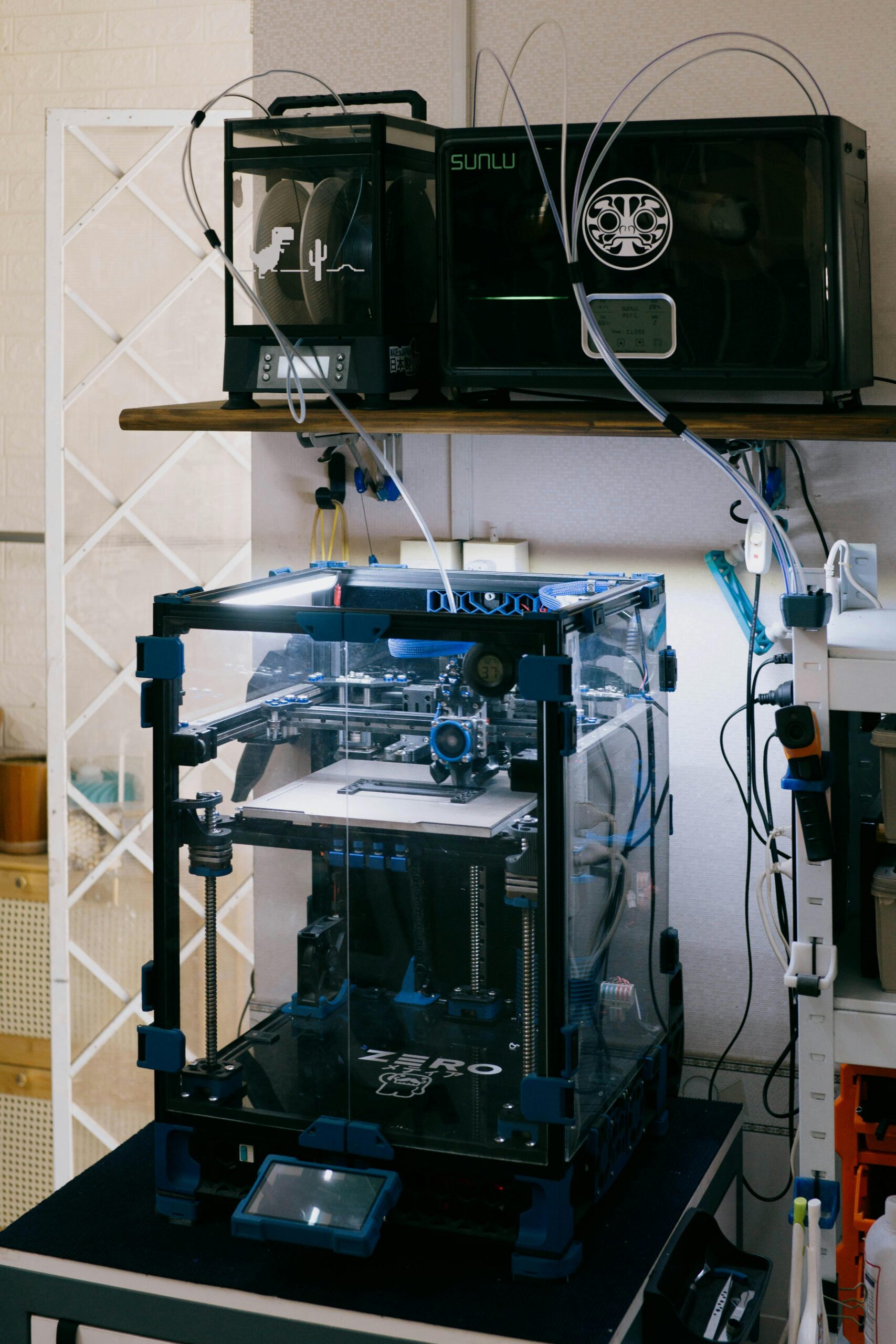
If you’ve started exploring 3D printing in India, you’ve likely come across two terms: FDM and resin. Both produce 3D printed objects, but they work very differently — and choosing the wrong one for your project can mean poor results or unnecessary cost. This guide explains the key differences in plain English, so you can pick the right technology for your next print.
What is FDM 3D Printing?
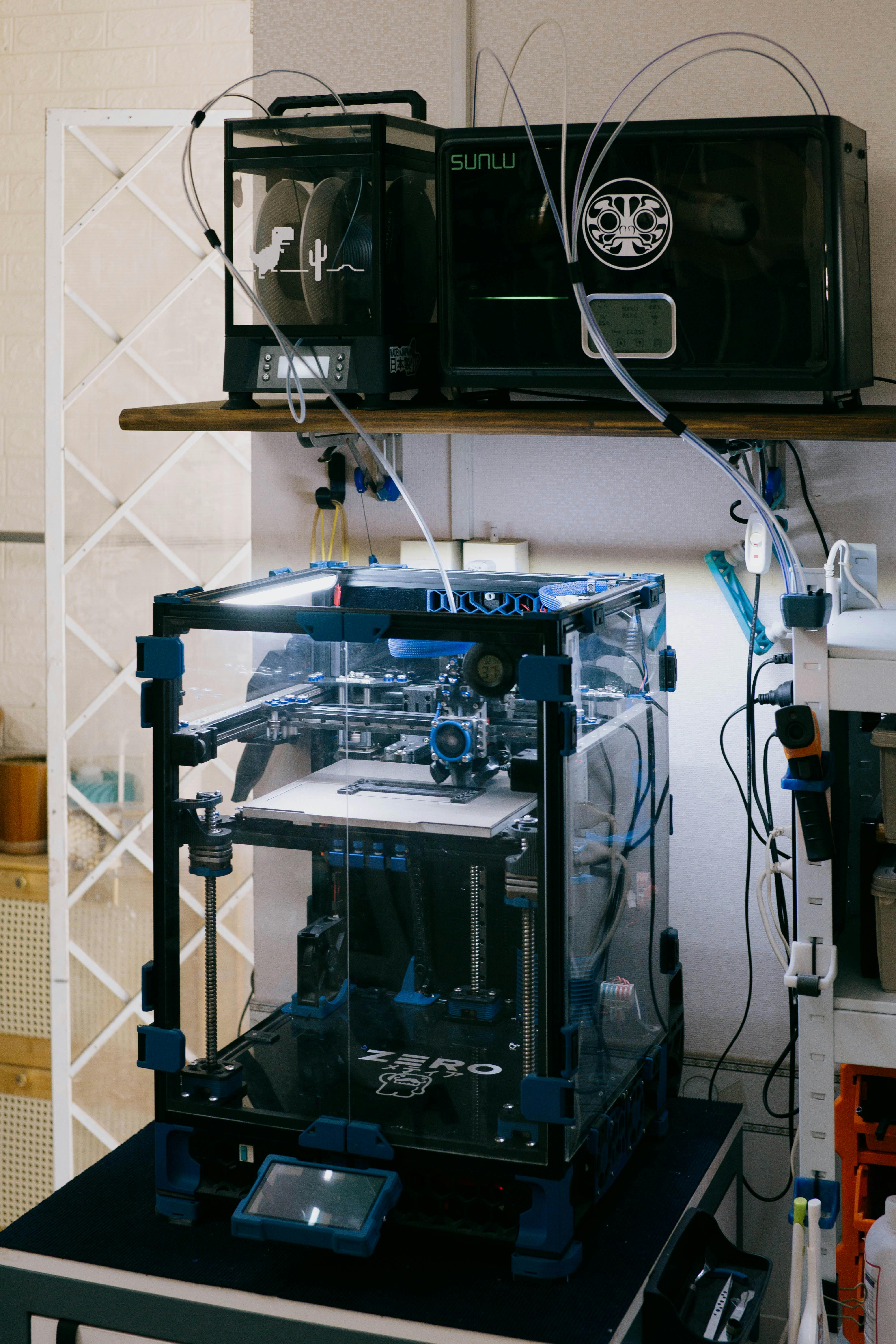
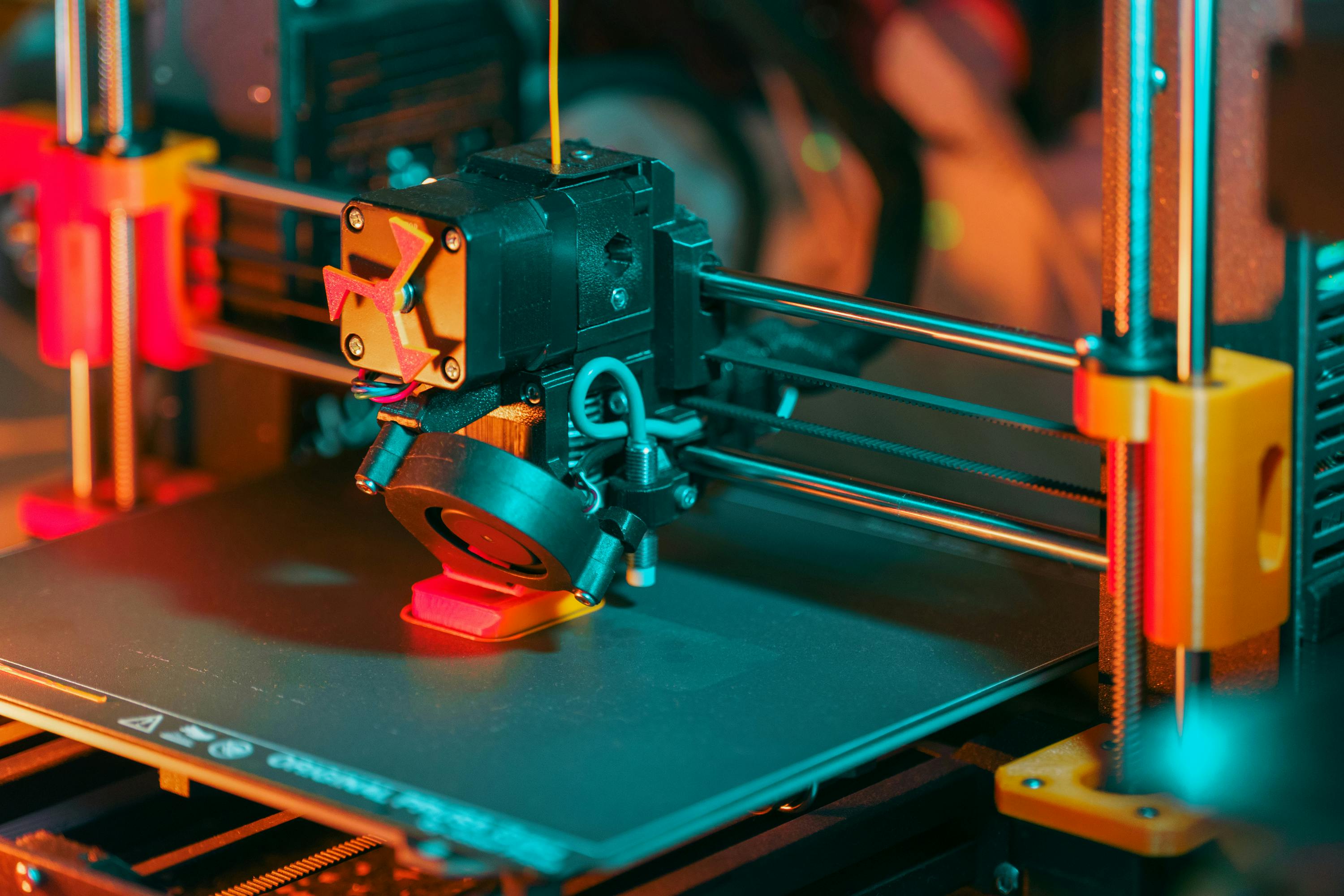
FDM (Fused Deposition Modelling) is the most common type of 3D printing. A spool of plastic filament — usually PLA, ABS, or PETG — is fed into a heated nozzle that melts the plastic and deposits it layer by layer onto a build plate.
It’s the same technology used in most desktop 3D printers you see in schools, makerspaces, and homes across India. The layer lines are visible to the naked eye, but the parts are strong, affordable, and available in dozens of colours.
Best for:
- Functional parts (brackets, housings, holders)
- Large objects (vases, enclosures, architectural models)
- Prototypes where strength matters more than surface finish
- Budget-conscious projects
- Colourful everyday items (phone stands, keychains, organisers)
What is Resin 3D Printing?
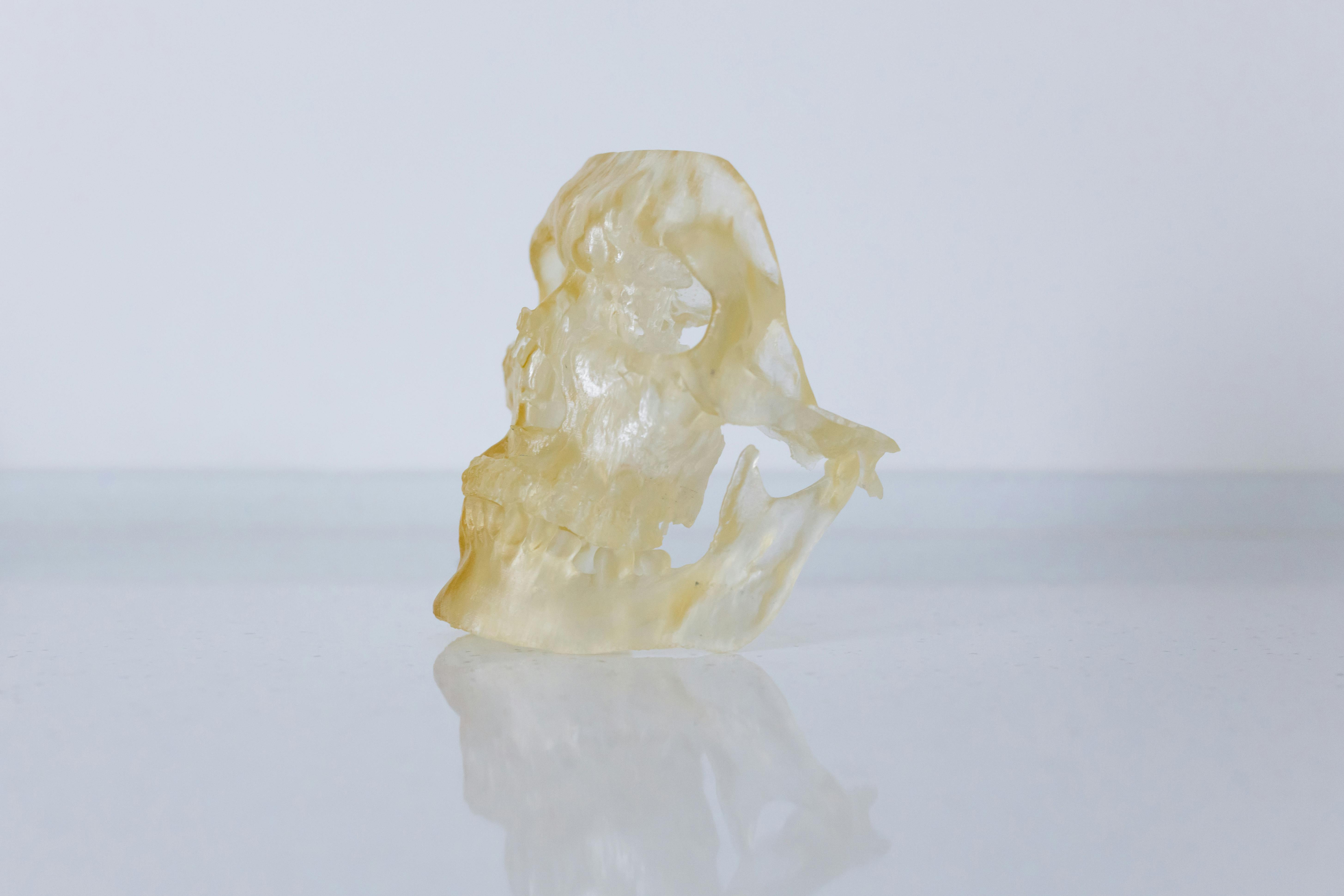
Resin printing (also called SLA or MSLA) works differently — it uses a UV light source to cure liquid resin layer by layer. Because the light can be focused with extreme precision, resin prints have a much smoother surface finish and can capture tiny details that FDM simply cannot reproduce.
The tradeoff is cost and fragility. Resin parts are more brittle than FDM parts, the materials are more expensive, and the post-processing (washing and UV-curing each print) adds extra steps before a part is ready to use.
Best for:
- Miniatures and figurines (tabletop gaming, collectibles)
- Jewellery and fashion accessories
- Dental and medical models
- Objects where surface smoothness and fine detail are critical
- Small, intricate parts
FDM vs Resin: Head-to-Head Comparison
| Factor | FDM | Resin |
|---|---|---|
| Surface finish | Visible layer lines | Smooth, near-injection-moulded |
| Detail level | Good (0.1–0.3mm layers) | Excellent (0.01–0.05mm layers) |
| Strength | Strong and flexible | Harder but brittle |
| Material cost | ₹700–₹2,000/kg | ₹1,500–₹4,000/litre |
| Print speed | Moderate | Fast for small batches |
| Max size | Large (up to 300mm+) | Smaller (typically under 200mm) |
| Post-processing | Minimal (remove supports) | Requires washing + UV curing |
| Colour options | Wide range of filaments | Limited (mostly grey/clear/white) |
| Best use | Functional parts, large models | Detail work, jewellery, miniatures |
Which Should You Choose for Your Project?
Choose FDM if you need:
- Something large or structural
- A colourful, affordable part
- A functional object that needs to be durable
- A fast turnaround at low cost
Choose resin if you need:
- Ultra-fine detail or a smooth surface finish
- A small, intricate object (jewellery, miniature, dental model)
- Display-quality results
- A professional prototype that looks injection-moulded
When in doubt, go FDM
For most everyday use cases in India — home decor, functional parts, gifts, prototypes — FDM is the right choice. It’s cheaper, faster, and the results are more than good enough for the vast majority of projects.
Reserve resin for projects where surface finish and fine detail genuinely matter, such as jewellery pieces, collectible figurines, or high-resolution dental models.
Print Both on JustPrint.io
On JustPrint.io, you can order both FDM and resin prints online and have them delivered anywhere in India. Upload your file, pick the technology and material that fit your project, and get an instant quote. Not sure which to choose? The platform helps you decide based on size, detail level, and budget — so you don’t have to guess.