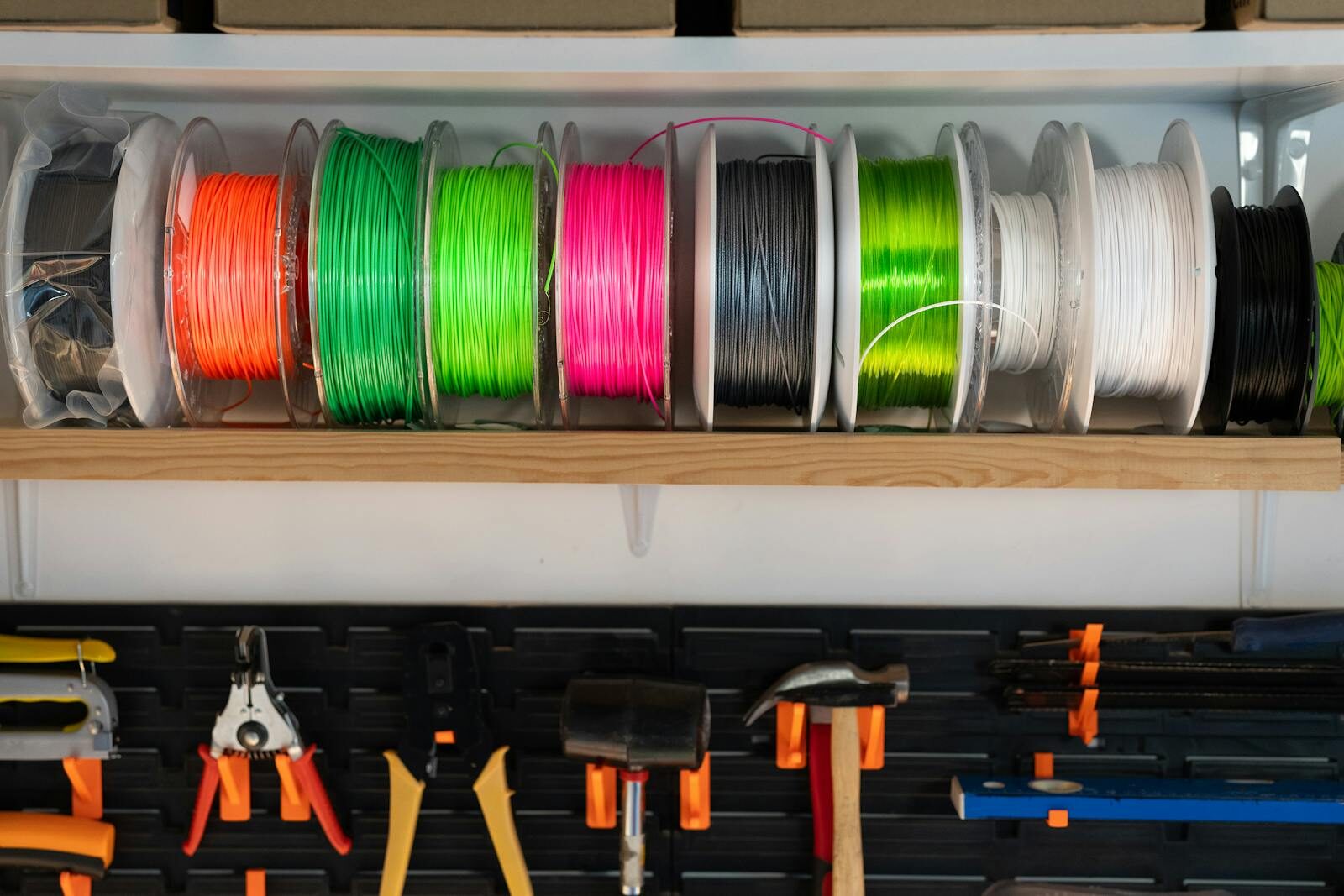
One of the first questions beginners ask when ordering a 3D print is: “Which material should I use?” The answer depends on what you’re making and how it will be used. This guide breaks down the four most common 3D printing materials in plain English, with practical examples relevant to everyday use in India.
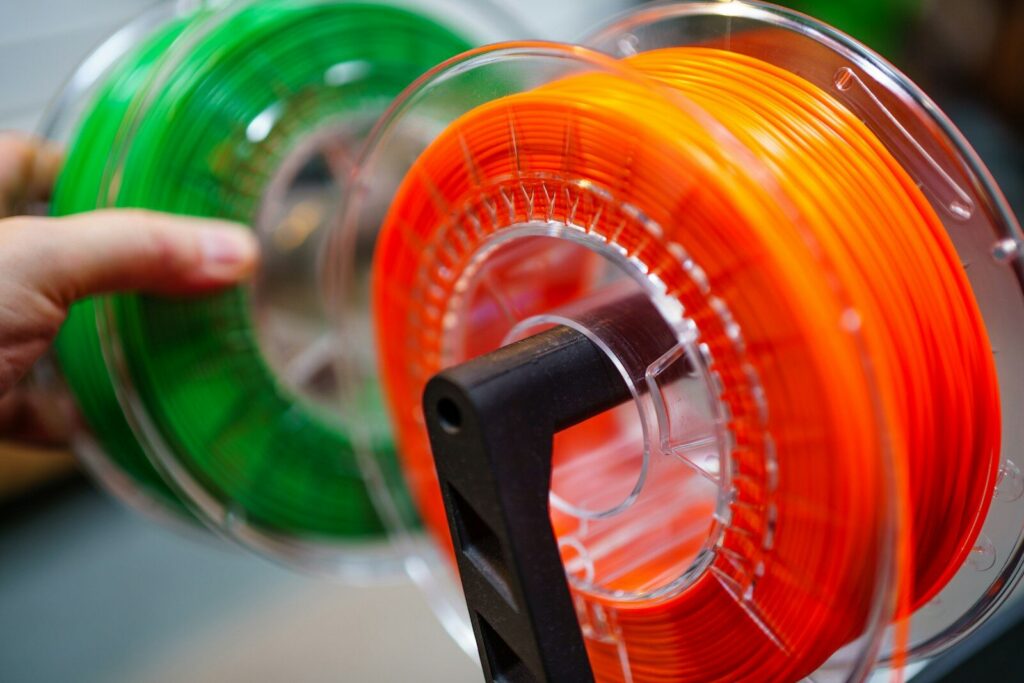
1. PLA — The Beginner-Friendly Choice
PLA (Polylactic Acid) is the most popular 3D printing material in the world, and for good reason. It’s made from plant-based materials (usually corn starch or sugarcane), making it biodegradable and environmentally friendlier than petroleum-based plastics.
Properties:
- Easy to print with (low warping, no enclosure needed)
- Available in the widest range of colours and finishes
- Good surface finish straight off the printer
- Rigid and slightly brittle
- Not heat-resistant (softens above ~60°C)
Best for in India:
Decorative items, home decor, custom name plates, figurines, gifts, prototypes that won’t be exposed to heat or outdoor conditions. If you’re ordering a Diwali decoration, a custom keychain, or a wall display piece, PLA is almost certainly the right material.
Avoid for: Anything left in a car in Indian summer heat, outdoor use, or parts that need to be bent repeatedly without breaking.
2. ABS — The Tough, Heat-Resistant Option
ABS (Acrylonitrile Butadiene Styrene) is the plastic used in LEGO bricks and many automotive parts. It’s tougher and more heat-resistant than PLA, but it’s also harder to print with — it tends to warp if not printed in a controlled environment.
Properties:
- Higher heat resistance (up to ~100°C)
- Tougher and more impact-resistant than PLA
- Can be sanded and painted easily
- Prone to warping during printing
- Emits fumes during printing (requires ventilation)
Best for in India:
Functional parts that will experience heat — like car interior clips, electronics enclosures, or parts used near engines. Also useful for parts that will be sanded, painted, or post-processed for a smooth finish.
Avoid for: Decorative or display items where PLA’s superior finish is preferred, or projects where you need consistent results without specialist equipment.
3. PETG — The Best of Both Worlds
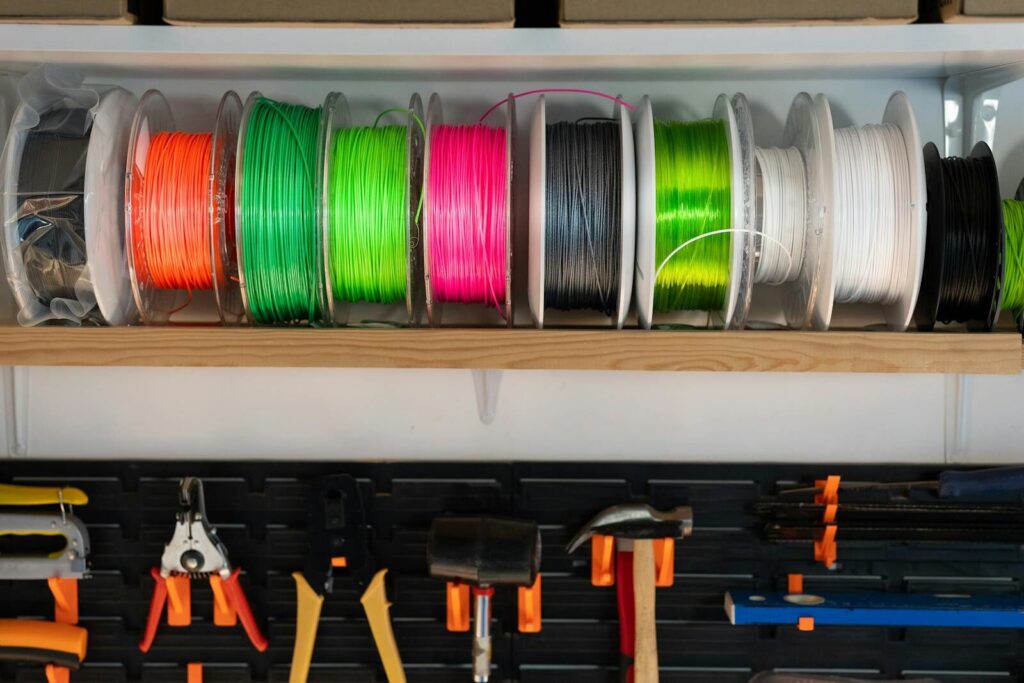
PETG (Polyethylene Terephthalate Glycol) is essentially food-safe plastic — the same family of material used in most water bottles. It combines the ease of printing of PLA with the toughness and temperature resistance of ABS, making it an excellent all-rounder.
Properties:
- Strong, flexible, and impact-resistant
- Moderate heat resistance (~80°C)
- Excellent layer adhesion and minimal warping
- Slightly glossy surface finish
- Food-safe grades available
Best for in India:
Mechanical components, drone parts, outdoor fixtures, water-resistant containers, and anything that needs to be both strong and slightly flexible. PETG is increasingly popular for engineering prototypes and consumer product development.
Avoid for: Fine decorative detail (PLA gives a better finish) or extreme high-temperature applications (ABS or engineering filaments are better).
4. Resin — For Detail and Smoothness
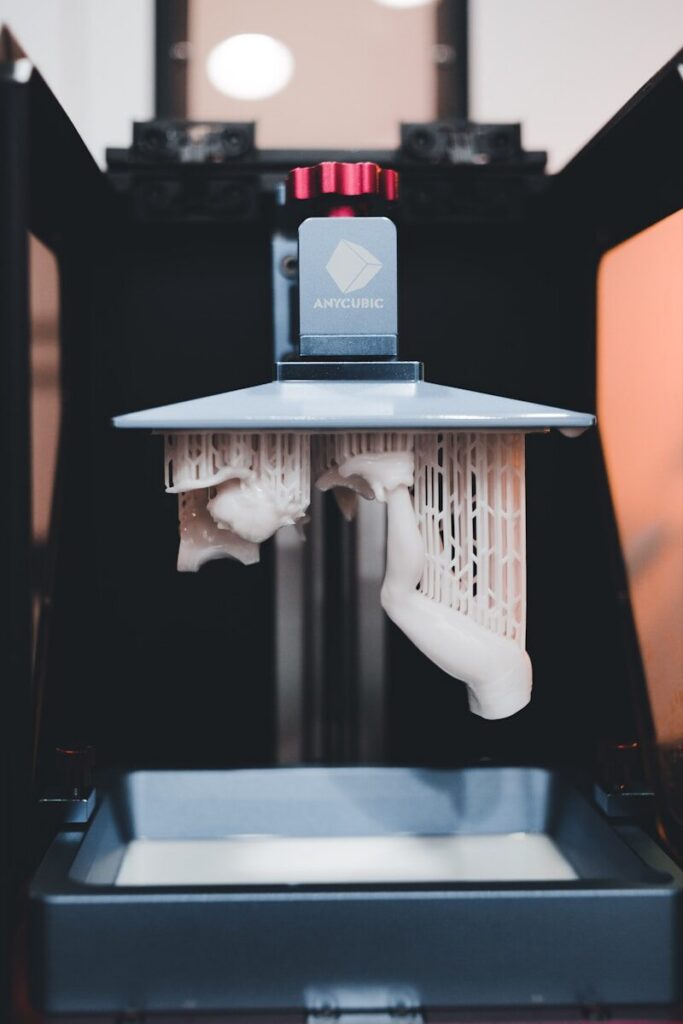
UV resin is used in SLA and MSLA printers instead of filament. It’s a liquid that hardens when exposed to ultraviolet light. Resin prints have an exceptionally smooth surface and can capture microscopic detail — far beyond what any filament-based printer can achieve.
Properties:
- Extremely high detail resolution
- Smooth, near-perfect surface finish
- More brittle than filament materials
- Requires post-processing (wash in IPA + UV cure)
- Can be painted and finished to professional standard
Best for in India:
Custom jewellery pieces, miniature figurines, dental models, architectural scale models, and display items where surface quality is paramount. Resin is the go-to choice for jewellers, game miniature hobbyists, and product designers who need prototypes that look finished and professional.
Avoid for: Functional parts that need impact resistance, large structural objects, or anything that will be handled roughly.
Quick Reference: Which Material Should You Choose?
| Use Case | Recommended Material |
|---|---|
| Home decor, name plates, gifts | PLA |
| Custom keychains and badges | PLA |
| Diwali and festive decorations | PLA |
| Car parts and heat-exposed items | ABS |
| Mechanical parts and engineering prototypes | PETG or ABS |
| Drone components and outdoor fixtures | PETG |
| Jewellery and fine accessories | Resin |
| Miniature figurines and collectibles | Resin |
| Dental and medical models | Resin (specialist grade) |
| Not sure? | PLA — it’s the safest default for most projects |
Ordering the Right Material on JustPrint.io
When you upload your file to JustPrint.io, you can select from the available materials and get an instant quote for each. If you’re unsure which material suits your project, the platform guides you through the choice based on your intended use — no engineering knowledge required.