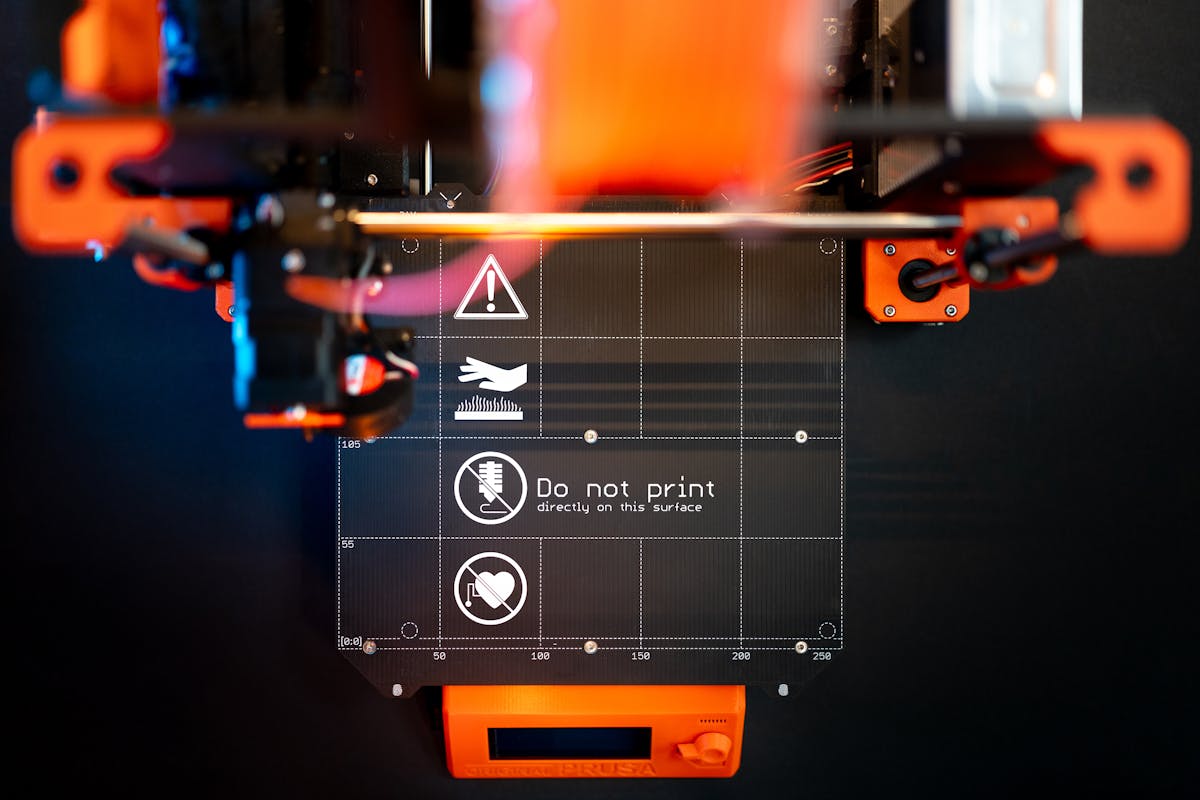
The single biggest barrier stopping people from starting a 3D printing business in India is the assumption that you need to own a printer. A decent desktop printer costs ₹20,000–₹1,20,000. Add filament, failed prints, maintenance, learning time, and electricity — and suddenly your “low-cost” business idea has a very high entry bar. The good news is there’s a better way.
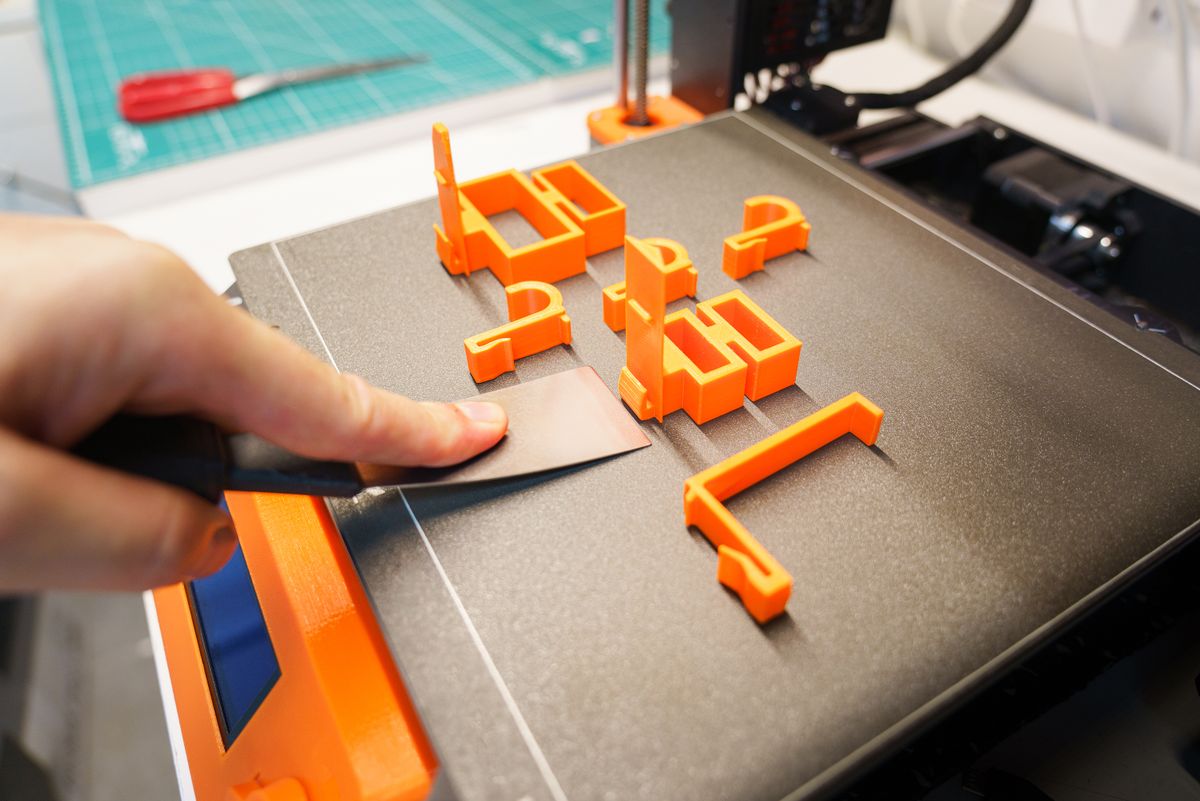
The Print-on-Demand Model Explained
Print-on-demand (POD) is a business model where you design and sell products, but a third-party service handles all the manufacturing and fulfilment. In the 3D printing world, this means:
- You create or source a 3D design file
- You list the product for sale online (Etsy, Instagram, Amazon India, your website)
- A customer places an order and pays you
- You forward the order to JustPrint.io with the customer’s delivery address
- JustPrint.io prints the item and ships it directly to your customer
- You keep the difference between what the customer paid you and what JustPrint.io charged
You never touch the product. You never hold inventory. You never deal with failed prints at 2am. Your job is design, marketing, and customer relationships — the creative and commercial side of the business.
Why This Model Works Especially Well in India
India has several structural advantages that make POD 3D printing particularly attractive right now:
- Growing demand for customisation — Indian consumers increasingly want personalised products that mass-market sellers can’t provide
- Underpenetrated market — 3D printed custom products are still relatively rare in India compared to Western markets, meaning less competition
- Affordable domestic production — using an Indian print service like JustPrint.io keeps production costs in rupees, eliminating currency risk and import duties
- Strong gifting culture — India’s gifting occasions (weddings, Diwali, birthdays, festivals) create enormous demand for unique, personalised items year-round
- UPI and digital payments — low-friction payment infrastructure means buyers can complete purchases easily
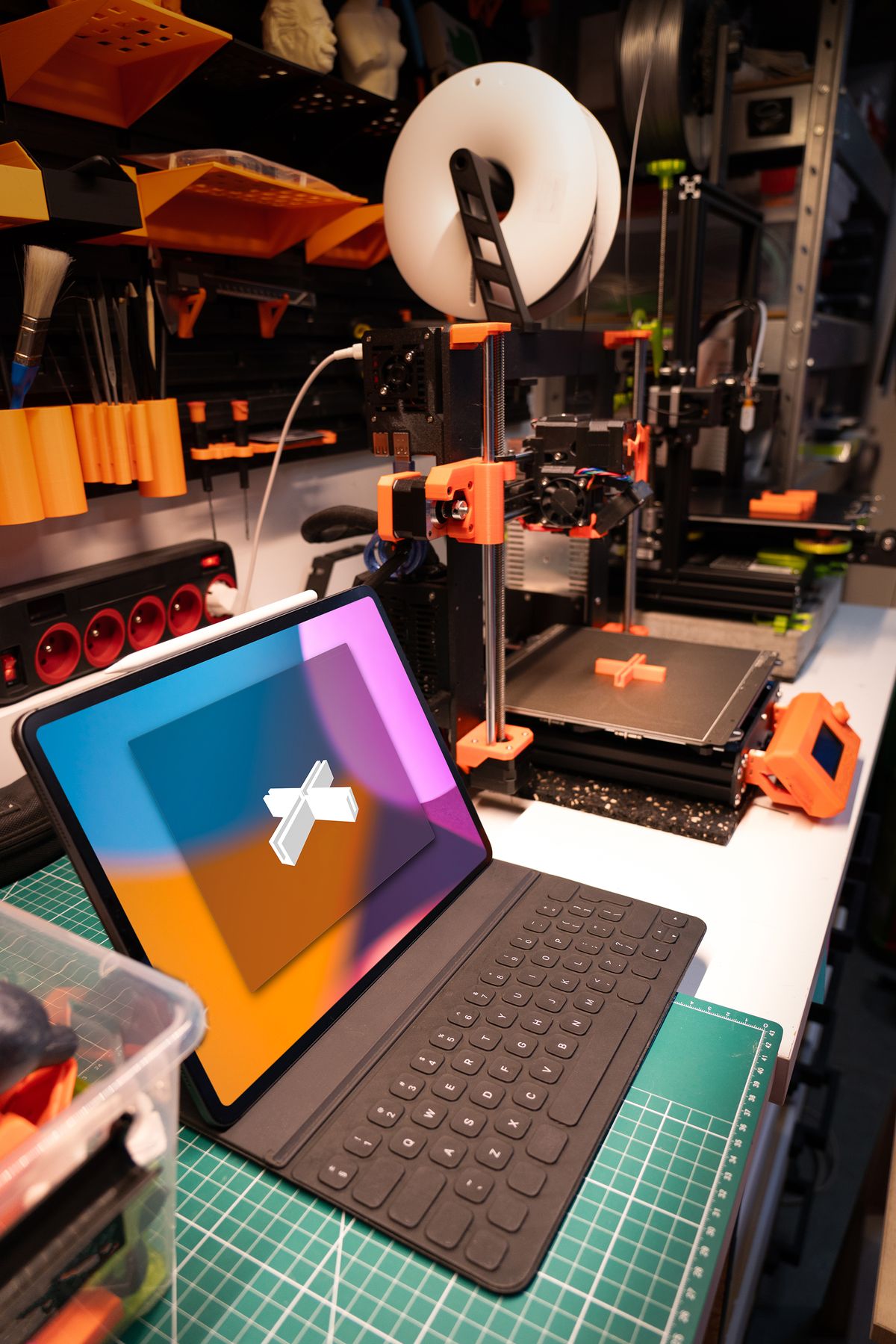
What Does It Actually Cost to Start?
Here’s an honest breakdown of what you need to get your first product live:
| Item | Cost | Notes |
|---|---|---|
| 3D design (Tinkercad) | Free | Browser-based, no download needed |
| Test print via JustPrint.io | ₹150–₹500 | Order one sample to verify quality before listing |
| Product photography | ₹0–₹500 | A smartphone with good light is enough to start |
| Etsy shop setup | Free | Listing fee is $0.20 per item (~₹17) |
| Packaging materials | ₹200–₹500 | Basic bubble mailers and tissue paper |
| Total to launch | ₹500–₹1,500 | For a single product listing |
Compare this to buying even a budget printer (₹20,000+), and the advantage of starting with POD is clear. You can validate demand, build reviews, and generate income before ever considering whether to invest in your own equipment.
Common Concerns — Addressed
“Won’t my margins be too thin?”
Not if you price correctly. Custom and personalised products carry a premium that more than covers production costs. A product costing ₹250 to produce can realistically sell for ₹800–₹1,200. That’s a 3–4× margin — healthy for any business.
“What if quality isn’t consistent?”
Order a test print of every new product before listing. Once you’re happy with the quality, you can list with confidence. JustPrint.io uses professional-grade equipment — the consistency is far better than most home printers.
“What about delivery times?”
Be transparent with customers. Most JustPrint.io orders are printed and dispatched within 24–48 hours, with delivery across India in 2–5 business days. Set this expectation clearly in your listings and you’ll have very few complaints.
“Is there a minimum order quantity?”
No — you can order as few as one item at a time. This is the core advantage of print-on-demand: you only produce what’s actually been ordered.
When Does It Make Sense to Buy a Printer?
Once you’ve validated a product and are fulfilling 30–50+ orders per month consistently, it may start to make financial sense to invest in your own printer to improve margins. But even at that stage, many successful sellers continue using JustPrint.io for overflow orders, new product testing, or material types they don’t own equipment for.
The smart approach: start without a printer, use POD to validate and grow, then decide if equipment makes sense based on real data.
Start Today
You don’t need a printer. You don’t need a workshop. You don’t need lakhs in capital. You need a good design, a reliable production partner, and the willingness to put your product in front of buyers. JustPrint.io handles the rest.