
India’s appetite for customised, on-demand products is growing fast — and 3D printing sits right at the intersection of that demand. The good news? You don’t need to own a printer, hire staff, or invest lakhs to get started. With a print-on-demand platform like JustPrint.io, you can design, list, and sell 3D printed products entirely online. Here’s how to do it, step by step.

Step 1 — Decide What You Want to Sell
The most successful 3D print sellers start with a clear niche. Don’t try to sell everything — pick a category you understand or are passionate about. Some of the strongest-performing niches in India right now include:
- Personalised gifts — name plates, custom keychains, couple figurines, baby name signs
- Festive and religious decor — Diwali diyas, Ganesh idols, rangoli frames, temple accessories
- Home organisation — cable holders, wall hooks, spice rack labels, drawer organisers
- Tech accessories — phone stands, cable clips, earphone holders, laptop risers
- Hobbyist products — chess sets, tabletop game accessories, miniature terrain
- Engineering and maker parts — brackets, mounts, jigs, drone components
The best products to sell share three characteristics: they’re useful or emotionally meaningful, they’re hard to find in regular shops, and they’re small enough to ship affordably within India.
Step 2 — Source or Create Your Designs
You need a 3D design file (STL, OBJ, or 3MF format) for every product you sell. You have three options:
Option A — Design it yourself
Free tools like Tinkercad (browser-based, no download needed) are genuinely beginner-friendly. You can create simple customisable products — name plates, holders, basic shapes — within a few hours of practice. More advanced tools like Fusion 360 and Blender allow complex organic and mechanical designs.
Option B — Use licensed designs
Sites like Thingiverse, Printables, and MyMiniFactory have thousands of free and paid designs. Always check the licence before selling — many are free for personal use but require a commercial licence to sell. Purchasing a commercial licence is usually inexpensive and gives you a solid product catalogue to start with.
Option C — Commission a designer
If you have a specific product idea but no design skills, hire a 3D designer on platforms like Fiverr or Upwork. A simple functional design typically costs ₹1,000–₹5,000. This is especially worthwhile for hero products you plan to sell at volume.

Step 3 — Set Up Your Production Partner
This is where most beginners get stuck — they think they need to buy a printer. You don’t. JustPrint.io acts as your production and fulfilment partner. Here’s how it works:
- Upload your STL file to JustPrint.io
- Select your material, colour, and quantity
- Get an instant production cost
- When a customer orders, place the order on JustPrint.io with your customer’s delivery address
- JustPrint.io prints and ships directly to your customer across India
This model — often called print-on-demand — means you carry no inventory, pay nothing upfront, and only produce items when a real order comes in. Your margin is the difference between what you charge your customer and what JustPrint.io charges you for production.
Step 4 — Choose Where to Sell
You have several good options for selling 3D printed products in India:
| Platform | Best For | Fees |
|---|---|---|
| Etsy | Handmade, custom, and unique gifts; international reach | Listing + transaction fees |
| Amazon India | Functional utility products with broad appeal | Referral + fulfilment fees |
| Instagram/WhatsApp | Building a local community and repeat customers | Free (payment via UPI/Razorpay) |
| Your own website | Full brand control, long-term business building | Hosting + payment gateway |
| Local craft fairs | Testing products and getting direct feedback | Stall fees only |
For most beginners, the fastest path to first sales is Instagram + WhatsApp for marketing and Etsy or Amazon India for transactions. Once you have validation and reviews, build your own website for long-term margin.
Step 5 — Price Your Products Correctly
Pricing is where many beginners go wrong. A simple formula to start with:
Selling Price = Production Cost × 2.5 to 3.5
For example, if JustPrint.io charges you ₹200 to produce a custom keychain, you should sell it for ₹500–₹700. This covers platform fees, packaging, your time, and leaves a healthy profit margin. Never price at cost — you’ll quickly burn out.
Step 6 — Create Compelling Product Listings
Your listing is your sales pitch. A strong listing includes:
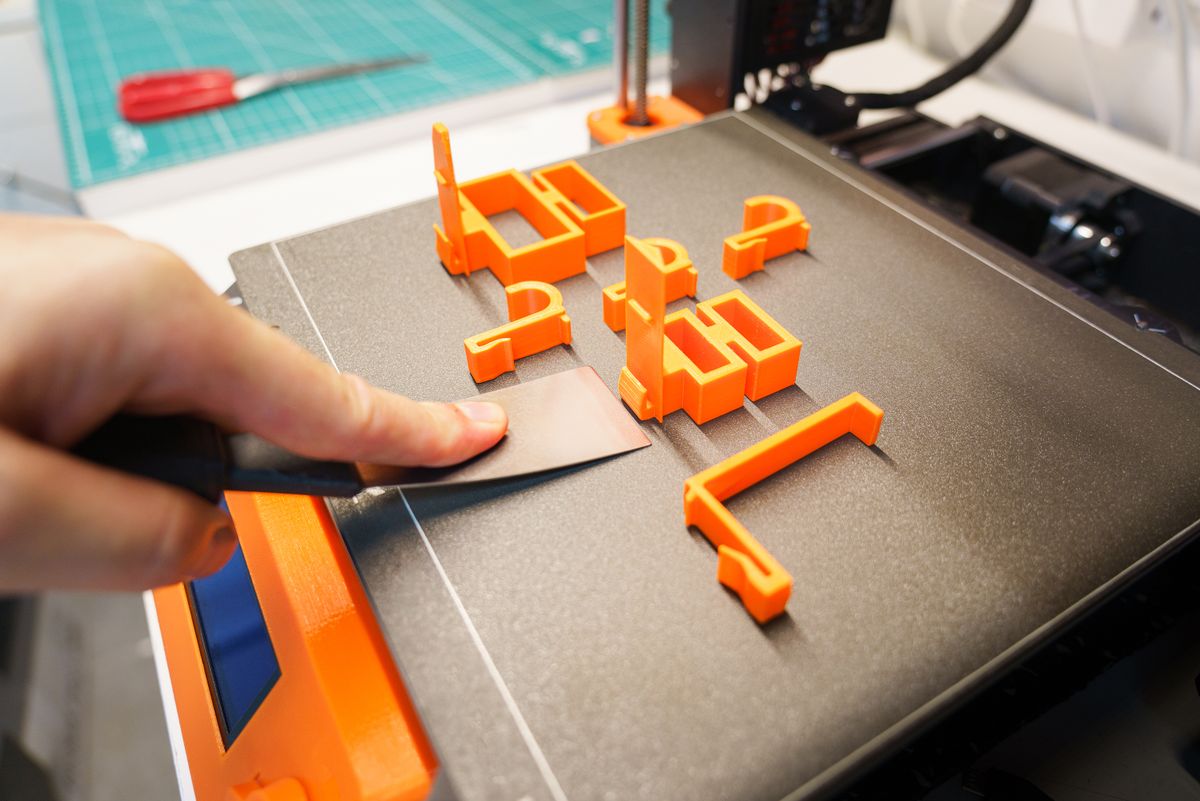
- Clear, well-lit photos of the actual printed product (not just renders)
- Dimensions and material clearly stated
- Use case and personalisation options — what can the customer customise?
- Delivery timeframe — be honest about production + shipping time
- Keywords in the title and description that Indian buyers actually search for
Step 7 — Fulfil Orders and Build Reviews
When orders come in, place them immediately on JustPrint.io and share the tracking number with your customer. Package orders attractively — even a simple printed thank-you card makes a huge difference to repeat business. Actively request reviews after delivery. In the Indian market, social proof is everything — your first 10 reviews are the hardest and most important to get.
Ready to Start?
The entire journey from idea to first sale can happen in a week. Upload your first design, get a production quote, and list your product tonight. JustPrint.io handles the printing and delivery — you focus on design, marketing, and customer relationships.